The best conkers are rarely found by accident. They are found by someone with a cloth bag, dry hands and a rough plan about which tree to check first. Horse chestnuts fall over a matter of weeks, and the difference between a satisfying haul and a pocketful of pale, squashy disappointments comes down to two things: what you carry, and what you decide to pick up once you are standing in the leaf litter.
The Kit List: What Goes in the Bag
You do not need much, but the few things you do bring should be the right ones. Spiky husks are unforgiving, wet grass soaks through trainers in minutes, and a thin supermarket carrier bag will split long before you have filled it.
- A cloth bag, canvas tote or old rucksack. Conkers need air. Sealed plastic makes them sweat, and sweaty conkers go mouldy within days.
- Thin gardening gloves. Useful for prising open husks, and essential if you plan to rummage under brambles or nettles.
- A stick, about a metre long. Ideal for raking leaves aside and for reaching husks without kneeling in mud.
- Shoes with grip. Fallen husks and wet leaves are genuinely slippery, especially on slopes and kerbs.
- A waterproof layer. Conker season and drizzle keep close company.
- A small towel or rag. Wiping a conker clean in the field tells you straight away whether it is worth keeping.
- Water and something to eat. Children under a big tree lose track of time faster than adults do.
- A phone with a torch. Useful for checking the underside of husks and for finding the car park.
- A spare bag for rubbish. Leave the tree as you found it, minus the conkers.
What to Wear Under the Tree
Hands and feet first
Cold hands make you careless, and careless hands pick up cracked conkers. Gloves solve most of it. So do pockets: a jacket with two deep ones means you can pocket a promising find and keep both hands free for the next.
Footwear matters more than people expect. You will spend a lot of time looking down and stepping sideways around roots, so ankle support and a proper tread beat fashion every time. If you are hunting along a verge or a park path, watch for traffic and for dog mess hidden under leaves.
Layers, not bulk
An hour of stooping and walking warms you up quickly. Two thin layers and a light waterproof shell are more comfortable than one heavy coat, and easier to shed and tie around your waist when the sun comes out.
How to Judge a Conker
Selection is where most people go wrong. They take the biggest thing in sight rather than the best one. Run through these checks before anything goes in the bag.
Weight before size
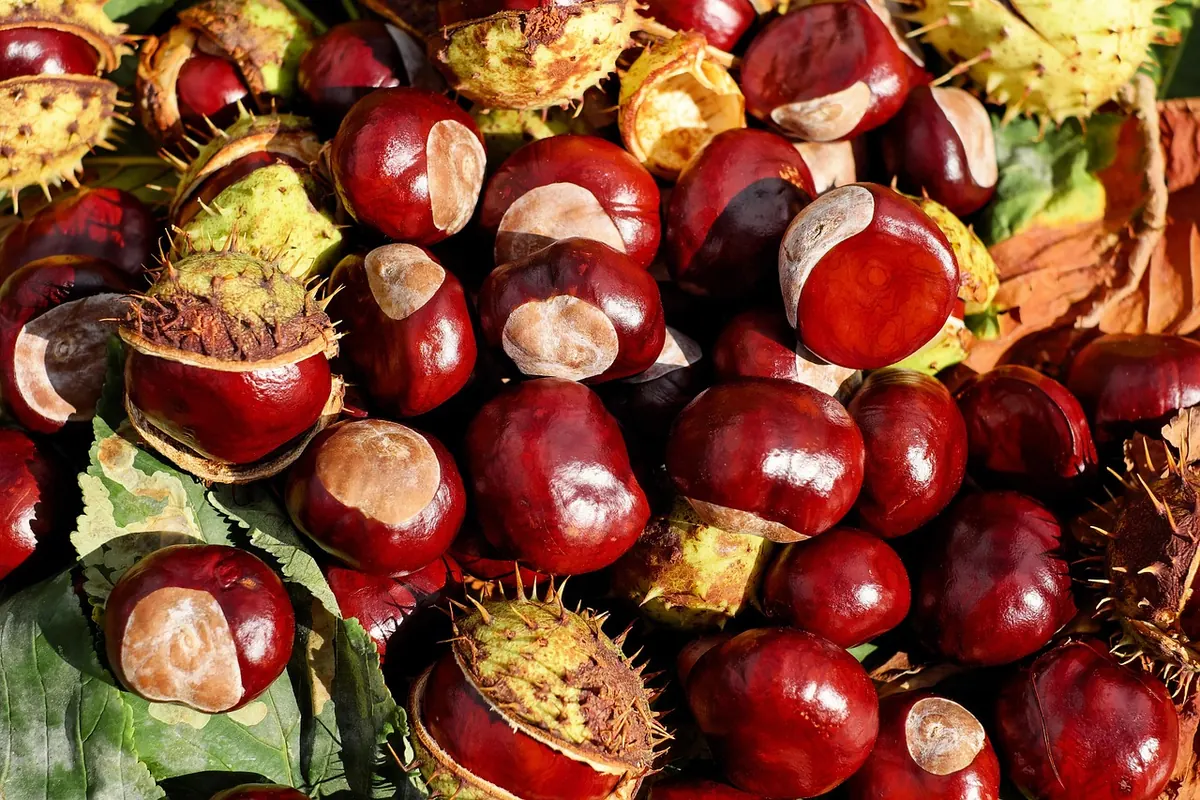
Pick up two conkers that look identical and you will often find one noticeably heavier. A heavy conker is dense and solid; a light one is usually dried out, hollow or already rotting inside. Weight is the single most reliable test you have in the field.
Shell and surface
A good conker has a deep, even mahogany colour and a shell that feels hard and smooth under the thumb. Look for a neat, round hole about the size of a match head: that is the exit hole of a nut weevil, and it means the inside has been eaten. Dull, chalky patches suggest age or damp. Soft, waxy patches mean rot.
Shape and balance
Round or slightly oval conkers work best for stringing, because the string sits neatly across the middle and the weight hangs straight. Very flat or badly lopsided ones can still be sound, but they tend to sit awkwardly and break along the thin edge.
Firmness and sound
Press a thumbnail gently into the shell. It should resist. Tap two conkers together; a sharp, hard click is what you want, not a hollow thud. Reject anything with a visible crack, even a hairline one, because it will split the moment it takes a decent hit.
Timing Your Trip
Horse chestnuts start dropping in early autumn and continue for several weeks, depending on where you are and what the weather has done. The richest ground is usually found after a windy night or a breezy morning, when a fresh batch has just come down and the local squirrels have not yet worked through it.
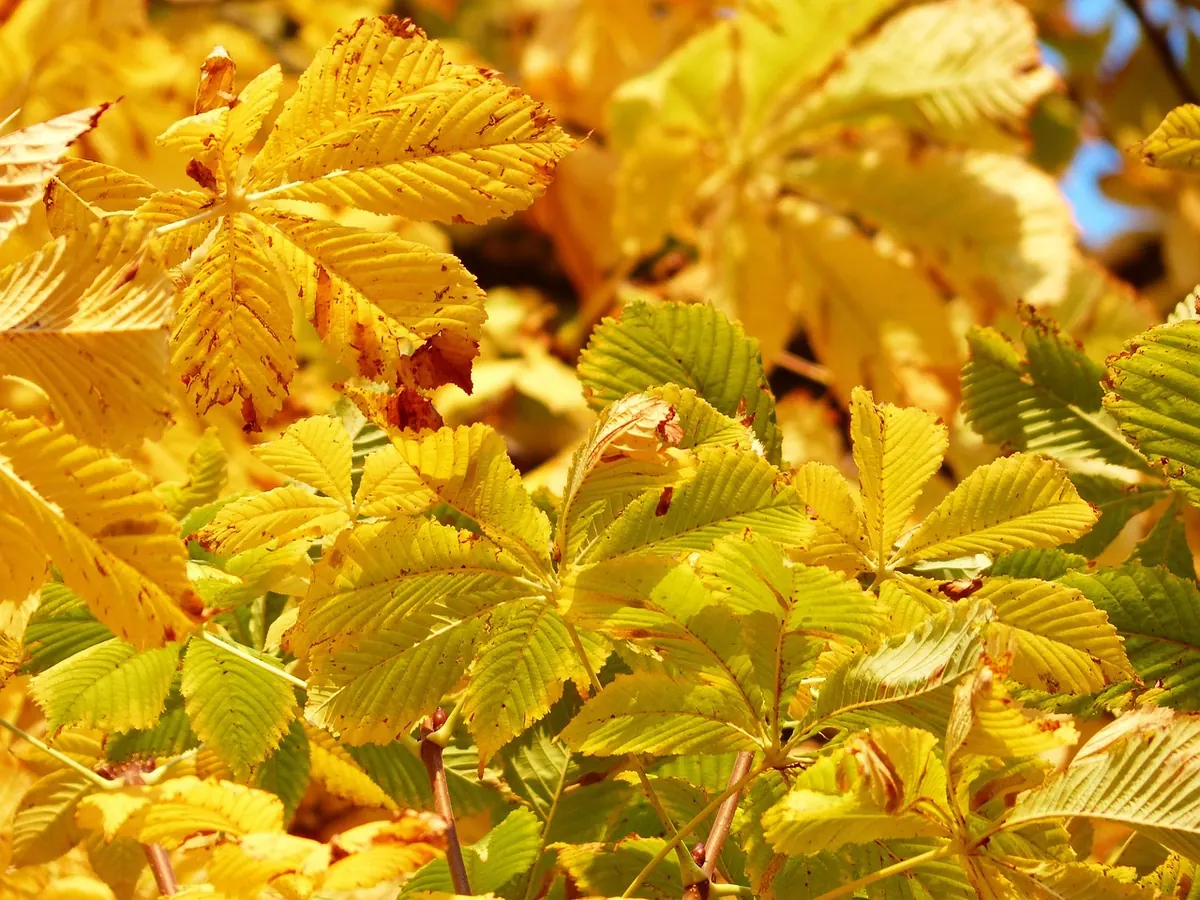
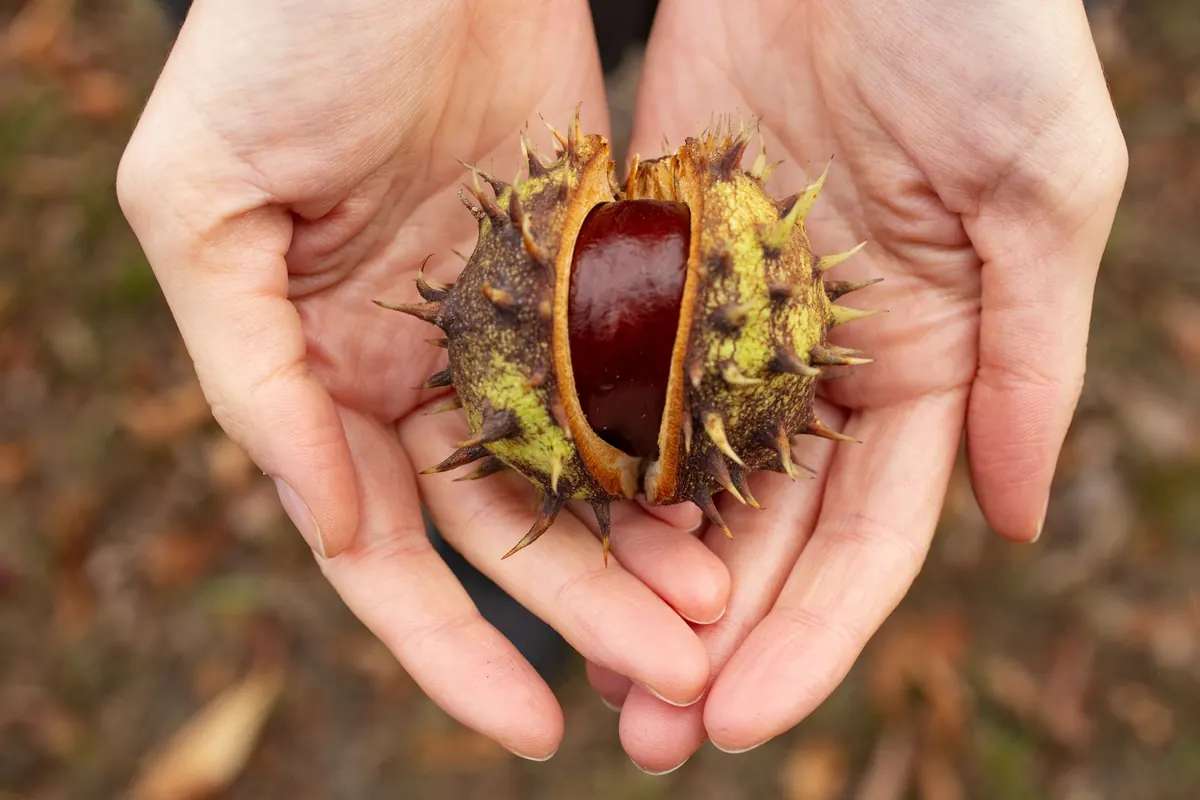
Go early. Parks and popular avenues are picked over by mid-morning on weekends, and the good ones go first. Take a moment to look at the tree as well as the ground. Pale, greenish husks still hanging in the branches are not ready; the ones worth having are the split, brown, opened cases lying underneath. Never pull conkers from the tree or shake branches to bring them down.
Sort as You Go
Do not wait until you get home to be picky. Tip the bag out on a bench or wall and go through it. Anything pale, holed, cracked or soft goes back on the ground or into the bin. This takes three minutes and saves you carrying a kilo of rubbish around all afternoon.
Leave plenty behind, too. Conkers feed squirrels, deer and other wildlife through the winter, and a tree stripped bare by one eager collector is a duller place next year. Take what you need, then move on.
Getting Them Home and Keeping Them Good
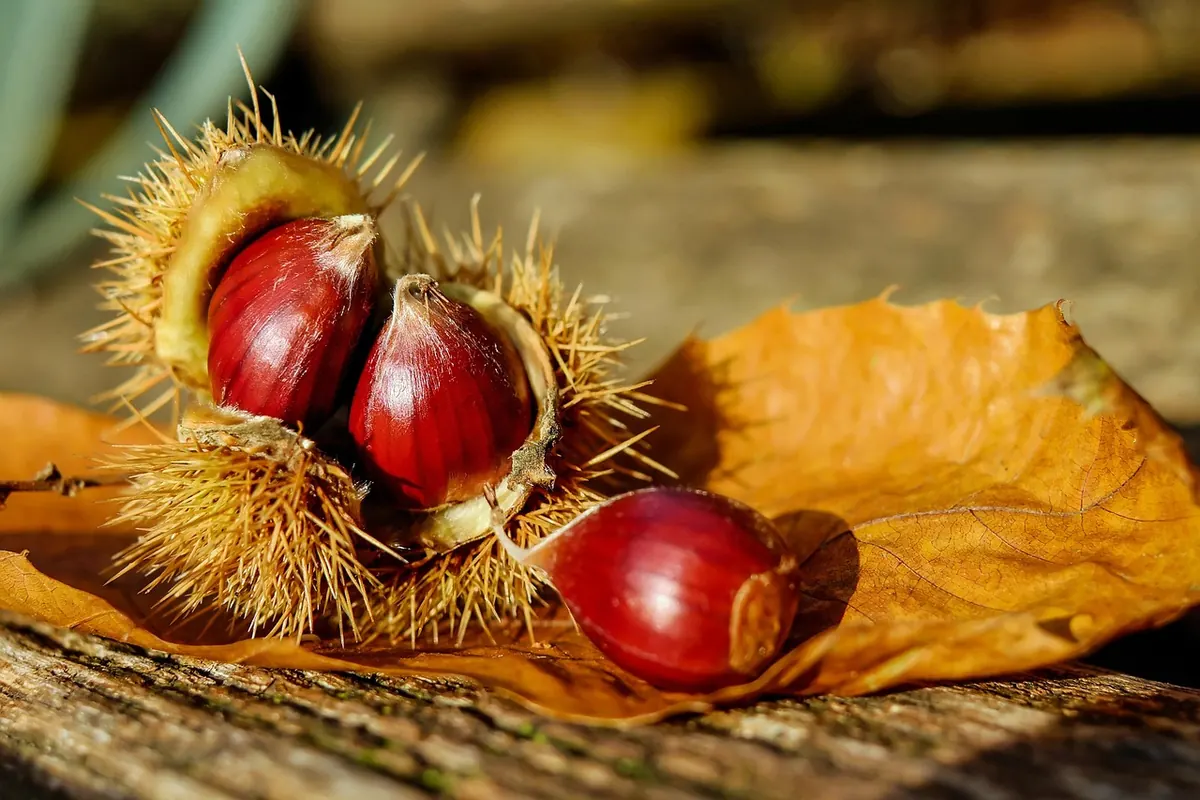
Horse chestnuts are not edible. They are not the same as sweet chestnuts, which come in a very spiky case with several nuts inside; horse chestnut husks are thick and fleshy and hold one large, glossy brown seed. Eating them can cause stomach upset, and they are harmful to dogs and other pets, so keep them out of reach and wash your hands after handling a big haul. If a child or pet does eat one, contact a doctor or vet promptly.
Once home, spread the conkers out in a single layer somewhere cool, dark and airy, such as a shed shelf or an open cardboard box in a garage. Turn them every few days and remove any that develop soft spots. They will keep for weeks this way, which is generally long enough for whatever games you have in mind.
Before You Set Off
Bag, gloves, stick, grip, waterproof, rag, water. Charge the phone. Check the weather does not turn nasty halfway through. Then go, walk slowly, and look at the ground more than at the trees. The best conker of the day is almost always the one lying half under a leaf that everyone else walked past.