Every October the same argument comes back: whose conker is hardest? A nut straight off the ground is a poor weapon. It is damp, soft and still full of sap, and it will crack on the second or third decent hit. Hardening gives you a shell that survives impact, but the methods people swear by range from patient common sense to mild recklessness. What follows is an honest look at each technique, how long it takes, and where it tends to fail.
None of them are magic. All of them are about removing moisture and protecting the shell.
What Hardening Actually Does
A conker is a seed with a tough outer coat. As it dries, that coat stiffens and the kernel inside shrinks slightly, leaving a small air gap. A dry shell rings when you tap it and resists denting; a green one squashes.
There is a trade-off worth understanding before you start. Drying makes the shell tougher but the conker lighter, and a lot of players prefer a heavy conker because weight carries momentum into the strike. Most hardening methods are really a negotiation between those two things. The best results come from drying slowly and finishing the surface, not from blasting the water out as fast as possible.
Air-Drying: Slow, Boring, Reliable
This is the method that quietly beats most of the clever ones. Put your conkers in a cool, dry, airy spot — a shed shelf, a garage windowsill, a cardboard box with the lid off — and leave them alone. Turn them every few days so no side stays damp against the surface.
Two weeks gives you a usable conker. Three to six weeks gives you a genuinely tough one. You will know they are ready when the shell feels noticeably lighter in the hand, sounds hollow when tapped against a table, and the shine has dulled to a matte finish.
What not to do: never dry them on a radiator, in a hot car or on a sunny windowsill in direct sun. Fast drying cracks the shell from the inside as the kernel shrinks faster than the coat can cope with. Slow is the whole point.
Vinegar Soaks: The Classic Schoolyard Method
Soaking in vinegar is the trick most people inherited from a parent or an older sibling, and it does have something behind it. The acid in vinegar attacks the outer shell very slightly, and the liquid drives out some moisture while discouraging mould. Used properly, it is a reasonable shortcut. Used badly, it ruins a good conker.
- Use plain white or malt vinegar. Distilled white is the safest choice. Diluting it half and half with water is fine.
- Soak for 24 to 48 hours, no longer. This is the part people get wrong. A week-long soak softens the shell, turns it chalky and leaves it prone to crumbling.
- Rinse and pat dry. Get the vinegar off the surface, then dry with kitchen roll.
- Air-dry for a week afterwards. The soak does not finish the job; the drying does.
Skip the soak entirely for any conker with a visible crack, a hole or a soft patch. Vinegar will find the weakness and make it worse. Wash your hands afterwards — the acid and the conker's own saponins can irritate skin.
Oven and Heat Methods: Fast, Fragile, Risky
Baking conkers works, in the sense that they come out dry. They also come out brittle. A shell that has been cooked tends to shatter under a hard hit rather than flex and hold, and hairline cracks often appear within a day or two.
If you want to try it, use the lowest setting your oven offers, keep the door slightly ajar to let moisture escape, and check every ten minutes rather than leaving them in for a set time. Expect the kitchen to smell like roasted chestnuts and wet cardboard. Do not walk away from the oven, and do not put conkers anywhere near a grill or an open flame.
Microwaves are worse. Steam builds inside the shell with nowhere to go, and they burst. Freezing is another popular myth — it does not harden anything, and the ice crystals that form inside the kernel split the shell on the way back out.
Wax, Oil and Varnish Finishes
Wax is a finishing step, not a hardening method on its own. A brief dip in melted beeswax or paraffin wax, followed by a buff with a cloth, gives the conker a slick, sealed surface that shrugs off moisture and resists scuffing. It also keeps the weight on, which matters if you like a heavier conker.
The catch: wax protects the surface, it does not strengthen the core. Coating a soft conker just gives you a soft conker with a nice finish. And if you wax a conker that is still damp, you trap the moisture inside, where it does quiet damage for weeks. Dry first, wax second, always.
Oils and varnishes are a poorer bet. Linseed oil takes days to cure and can leave the shell slightly soft in the meantime, while varnish flakes off in play and looks tatty within a few matches.
How the Methods Compare
- Air-drying: one to six weeks. Low risk, best all-round result, no equipment, no smell.
- Vinegar soak plus air-drying: three to ten days. Medium risk. Good if you are short on time and stick to two days.
- Oven: thirty to ninety minutes. High risk of brittleness and cracking. Best avoided unless you are experimenting.
- Wax finish: fifteen to thirty minutes on a conker that is already dry. Low risk, adds a protected, heavier feel.
- Freezer or microwave: not hardening methods. Both damage the shell.
Start With a Better Conker
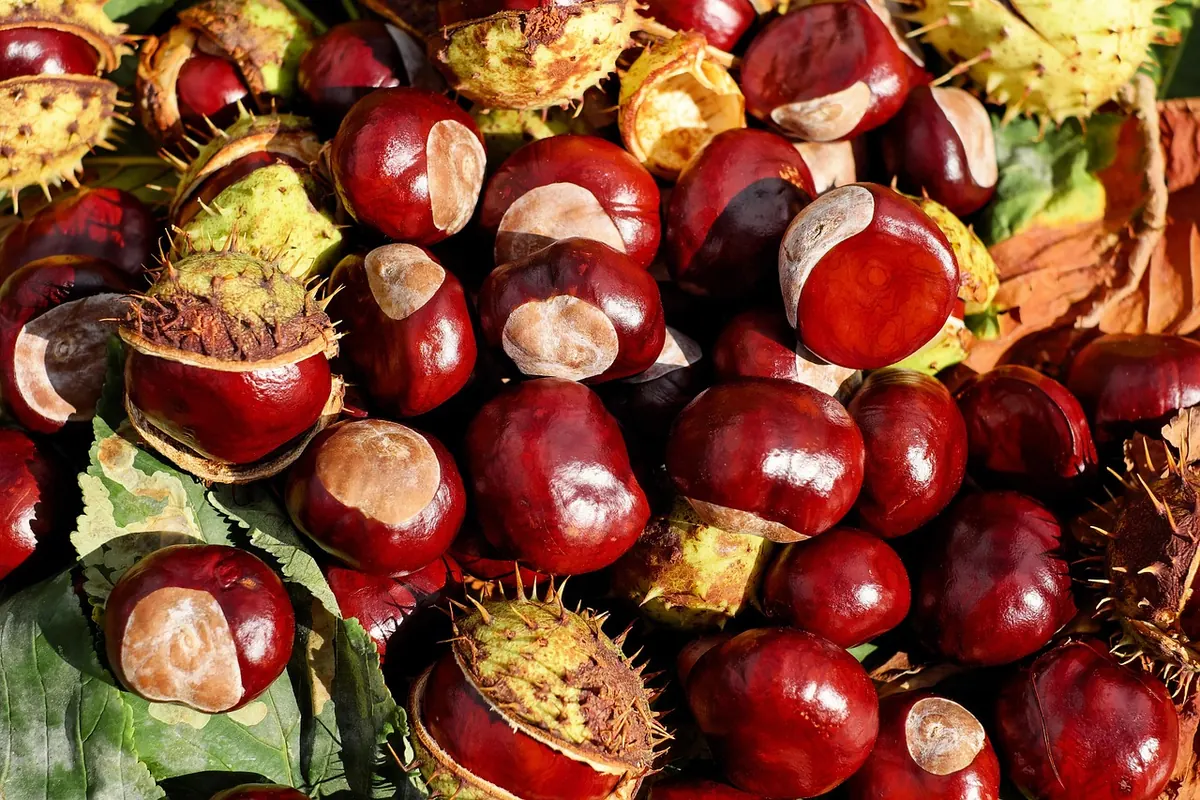
No technique rescues a bad nut. Pick from the ground rather than the tree, and choose ones that feel heavy for their size. Avoid anything with a small round hole, which usually means a moth larva has been at it, and anything with a crack, a soft patch or a dull, milky-looking shell. A good conker is a rich, glossy brown with a firm, unyielding feel.
Rinse the mud off, dry them gently, and only then start thinking about hardening. Check them again after a week — one or two will always develop a flaw and should be dropped from the squad.
A Sensible Routine to Follow
If you want one straightforward plan: pick a batch of firm, heavy conkers and wash them. Air-dry for two weeks somewhere cool and out of the sun. If you are impatient, give them a 24-hour vinegar soak first and then dry for a week. Finish the best ones with a quick wax dip and a buff. Store them in a paper bag or a tin with a few holes punched in the lid, somewhere dry, and thread them the day before you play so the string knot has time to settle.
One safety note worth taking seriously: conkers contain a compound that is mildly toxic if eaten, and they are not safe for pets or small children to chew. Wash your hands after handling vinegar-soaked or waxed nuts. If a child or an animal does swallow one, contact a doctor, a poison service or a vet rather than waiting to see what happens.
After that, it is down to the tree, the season and a bit of luck — which is exactly how it should be.
Photo: hbieser / Pixabay